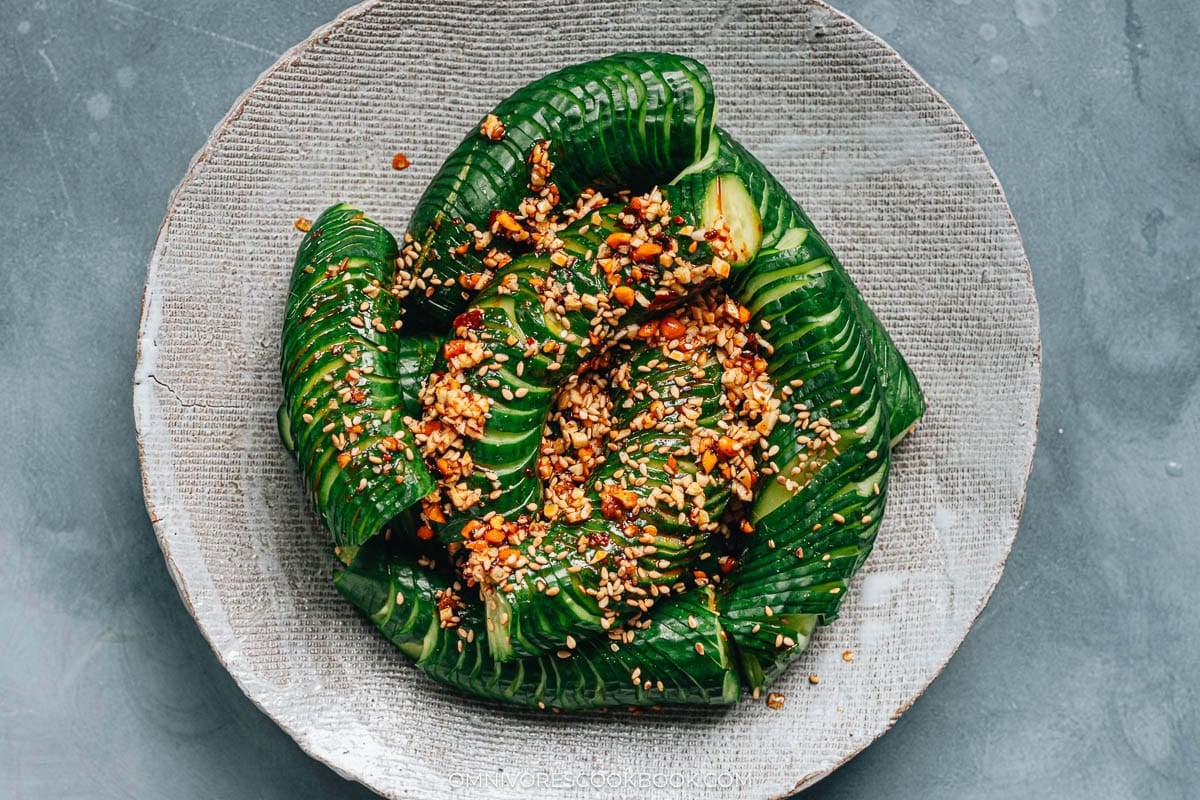
Embrace the Flavors: A Comprehensive Guide to Delicious Vegetarian Chinese Recipes
Chinese cuisine, renowned globally for its incredible diversity and depth of flavor, offers a treasure trove of delightful options for plant-based eaters. Far from being an afterthought, vegetarian Chinese recipes have a rich history rooted in Buddhist traditions, making them inherently robust, flavorful, and incredibly satisfying. From vibrant stir-fries and comforting noodle dishes to hearty tofu preparations and delicate dim sum, the world of vegetarian Chinese cooking is expansive, healthy, and surprisingly easy to master at home. This article will guide you through essential ingredients, popular dishes, and practical tips to help you unlock the authentic tastes of plant-based Chinese food.The Rich History and Appeal of Vegetarian Chinese Cuisine
For centuries, vegetarianism has been a significant aspect of Chinese culinary culture, particularly within Buddhist monasteries where abstaining from meat is a core principle. This tradition gave rise to a sophisticated "mock meat" culture and a deep understanding of how to extract maximum flavor from vegetables, fungi, and soy products. As a result, many classic Chinese dishes are either naturally vegetarian or can be easily adapted, proving that a meat-free meal doesn't mean sacrificing taste or authenticity. Embracing vegetarian Chinese recipes isn't just about delicious food; it's also about health. These dishes often feature a bounty of fresh vegetables, lean plant-based proteins, and diverse seasonings, providing a balanced and nutritious meal. They are typically lower in saturated fat and cholesterol, rich in fiber, and packed with essential vitamins and minerals. Plus, the sheer variety ensures you'll never get bored.Essential Ingredients and Pantry Staples for Your Vegetarian Chinese Kitchen
To successfully embark on your journey into vegetarian Chinese cooking, stocking your pantry with a few key ingredients is crucial. These staples form the backbone of countless dishes, delivering authentic flavors and textures.Proteins & Fungi:
- Tofu: A superstar in Chinese cuisine. Opt for firm or extra-firm for stir-fries and frying, and silken for soups and sauces.
- Tempeh: While more common in Indonesian cuisine, tempeh can be a fantastic, protein-rich addition to stir-fries, offering a firmer texture than tofu.
- Mushrooms: Shiitake (fresh or dried), oyster, king oyster, and straw mushrooms add incredible umami and texture. Dried shiitake, in particular, provide a deep, meaty flavor when rehydrated.
- Seitan: A wheat gluten-based protein, seitan is excellent for creating "mock meat" dishes due to its chewy texture.
- Dried Soy Products: Bean curd sheets, sticks, and dried shredded tofu are traditional ingredients that soak up flavors beautifully.
Sauces & Condiments:
- Soy Sauce: Both light (for saltiness and color) and dark (for deeper color and a touch of sweetness) are essential. Tamari is a great gluten-free alternative.
- Rice Vinegar: Adds a crucial tang and brightness to dishes.
- Sesame Oil: Used as a finishing oil for its distinct nutty aroma, not for high-heat cooking.
- Chili Oil: For those who love a spicy kick, a homemade or store-bought chili oil is a must.
- Vegetarian Oyster Sauce: A mushroom-based alternative that provides the savory, umami depth of traditional oyster sauce.
- Hoisin Sauce: A sweet and savory sauce, ensure you choose a vegetarian version as some contain seafood.
- Doubanjiang (Fermented Broad Bean Paste): Spicy, savory, and complex, essential for dishes like vegetarian Mapo Tofu.
- Black Bean Sauce: Fermented black beans lend a pungent, umami-rich flavor.
Aromatics & Vegetables:
- Ginger & Garlic: The foundational aromatics of almost all Chinese dishes.
- Spring Onions (Scallions): For garnish and flavor.
- Dried Chilies: For heat and a smoky aroma.
- Fresh Vegetables: Bok choy, gai lan (Chinese broccoli), broccoli, bell peppers, carrots, snow peas, green beans, cabbage, spinach, and eggplant are all excellent choices.
- Canned/Jarred Vegetables: Bamboo shoots, water chestnuts, and straw mushrooms add texture and authentic flair.
Staples:
- Rice: Jasmine rice is standard, but brown rice or mixed grains also work well.
- Noodles: A wide variety including rice noodles, egg noodles (ensure they are egg-free for strict vegan diets), wheat noodles, and glass noodles.
- Cornstarch: Used to thicken sauces and give them that glossy finish.
Dive into Delicious Vegetarian Chinese Recipes
The range of vegetarian Chinese recipes is incredibly vast, offering something for every palate. Here are some categories and popular dishes you can easily recreate in your own kitchen.Scrumptious Stir-Fries: Quick, Versatile, and Flavorful
Stir-frying is perhaps the most iconic Chinese cooking technique, known for its speed and ability to preserve the crispness of vegetables. The beauty of a vegetarian stir-fry lies in its adaptability – you can use almost any combination of vegetables and plant-based proteins.
- Broccoli with Garlic Sauce: A simple yet deeply satisfying dish featuring tender-crisp broccoli coated in a savory garlic-soy sauce.
- Spicy Eggplant Stir-fry (Sichuan Style): Silken eggplant pieces stir-fried with garlic, ginger, chilies, and doubanjiang for a fiery, aromatic treat.
- Mixed Vegetable Delight (Buddha's Delight - Loh Hon Jai): A traditional Buddhist dish featuring a medley of vegetables, fungi, and sometimes tofu, braised in a flavorful sauce. This is a fantastic way to use various pantry staples.
- Tofu and Mushroom Stir-fry: Combine pan-fried tofu cubes with sliced shiitake and oyster mushrooms, bell peppers, and snap peas in a classic brown sauce.
For even more diverse stir-fry ideas and deep dives into specific regional styles, explore our collection of vegetarian chinese recipes - Article 2.
Comforting Noodle & Rice Dishes: Meals in a Bowl
Noodles and rice are staples in Chinese cuisine, offering endless possibilities for delicious vegetarian meals. Whether you prefer a hearty fried rice or a slurp-worthy noodle bowl, these dishes are incredibly satisfying.
- Vegetable Lo Mein: Chewy wheat noodles stir-fried with an assortment of fresh vegetables (carrots, cabbage, bell peppers) and a savory soy-sesame sauce. Add some pan-fried tofu or seitan for extra protein.
- Vegetarian Dan Dan Noodles: A plant-based take on the classic Sichuan dish, using a rich, spicy, and nutty sauce over noodles, often topped with a savory mushroom or textured vegetable protein (TVP) mince.
- Fried Rice with Tofu & Edamame: A customizable dish that's perfect for using up leftover rice. Combine rice with scrambled tofu, edamame, carrots, peas, and corn, seasoned with soy sauce and sesame oil.
- Sesame Noodles: Cold or warm noodles tossed in a creamy, nutty sauce made from tahini (or Chinese sesame paste), soy sauce, rice vinegar, and chili oil.
If you're eager to master more authentic noodle and rice dishes, be sure to check out vegetarian chinese recipes - Article 3 for detailed instructions and ingredient breakdowns.
Hearty Tofu & Mushroom Creations
Tofu and mushrooms are incredible vehicles for flavor, capable of starring in their own right when prepared properly.
- Vegetarian Mapo Tofu: A fiery and numbing Sichuan classic, made with silken or firm tofu cubes simmered in a rich, spicy sauce featuring doubanjiang, Sichuan peppercorns, and often a savory mushroom or TVP mince.
- General Tso's Tofu: Crispy fried tofu coated in a sticky, sweet, savory, and slightly spicy sauce, mimicking the popular chicken dish.
- Braised Shiitake Mushrooms with Bok Choy: Whole or halved shiitake mushrooms braised until tender in a rich soy-based sauce, often served with blanched bok choy for a simple yet elegant side or main dish.
Soups and Delicate Dim Sum
Don't overlook the comforting warmth of vegetarian Chinese soups or the delightful intricacies of plant-based dim sum.
- Vegetarian Hot and Sour Soup: A spicy and tangy soup packed with shredded mushrooms, bamboo shoots, tofu, and sometimes wood ear fungus, thickened with cornstarch and finished with a swirl of sesame oil and vinegar.
- Vegetable Spring Rolls/Egg Rolls: Crispy fried wrappers filled with a savory mix of shredded cabbage, carrots, mushrooms, and glass noodles.
- Vegetable Dumplings/Wontons: Handmade or store-bought wrappers filled with finely chopped vegetables and tofu, steamed, pan-fried, or served in a light broth.
Mastering the Art of Vegetarian Chinese Cooking: Tips and Techniques
Achieving authentic flavors and textures in your vegetarian Chinese recipes is within reach with a few key techniques and practices.- Mise en Place is Key: "Everything in its place." Chinese cooking, especially stir-frying, is fast. Have all your ingredients chopped, measured, and ready to go before you even turn on the heat.
- High Heat, Quick Cooking: For stir-fries, a hot wok or large skillet is essential. This helps achieve "wok hei" – the smoky, complex aroma unique to wok cooking. Don't overcrowd the pan, or your vegetables will steam instead of sear.
- Balance of Flavors: Chinese cuisine masterfully balances sweet, sour, salty, umami, and spicy. Experiment with combinations of soy sauce, rice vinegar, sugar, sesame oil, and chili for complex profiles.
- Cornstarch Slurry: The secret to glossy, slightly thickened sauces. Mix cornstarch with a small amount of cold water before adding to hot liquids to prevent lumps.
- Proper Tofu Preparation: For crispy tofu, press out excess water thoroughly before frying or baking. Marinate for deeper flavor.
- Layering Aromatics: Always start your stir-fry with aromatics like ginger, garlic, and chilies (if using). Sauté them briefly until fragrant before adding other ingredients.
- Taste and Adjust: Always taste your sauce and final dish before serving. Adjust seasonings like salt, sugar, vinegar, or chili to your preference.
